
The Ponty
Institute
An Intensive Summer Workshop in Jazz, Bebop, Jazz Manouche & Improvisation for String Players.
From classical musicians discovering improvisation for the first time to advanced jazz string players looking to deepen their bebop language, explore improvisation, and expand their improvisational vocabulary.
Violin, viola, and cello explore jazz harmony, applied music theory, and improvisation through individual instruction, small-combo coaching, and public performance.
To study.
To hear.
The Ponty Institute brings a focused educational program into conversation with a public series of jazz performances. Both are important parts of its life in Fredericksburg.
The Institute
Close instruction in jazz vocabulary, harmony, rhythm, improvisation, and ensemble playing—especially for young violinists, violists, and cellists developing the confidence to play jazz.
Explore the educational programPublic Jazz Concerts
Professional jazz artists perform for Fredericksburg audiences, alongside opportunities for emerging musicians to share the work developed during their time at the Institute.
Explore the concerts
Strings meet
the language
of jazz.
A string player can arrive with years of technical and musical training and still be new to improvisation. The Ponty Institute is designed to support that transition while offering more advanced players opportunities to deepen their jazz language.
Scott Tixier's Applied Jazz Strings Lessons syllabus sets out an individualized, conservatory-style approach to improvisation, instrumental technique, repertoire, and artistic development. The wider Institute also plans applied harmony, rhythm-section study, and faculty-coached small ensembles.
Individual instruction: Every enrolled student receives one 30-minute individual lesson during the Institute. Teaching assignments and scheduling will be communicated separately.
Jazz strings
Individualized work on improvisation, jazz repertoire, harmony, bow articulation, sound, and artistic development.
Harmony
Chord structures and voicings, jazz theory, composition, and listening across styles.
Double bass
Walking bass, harmonic foundations, ensemble interaction, and jazz listening.
Rhythm
Time, independence, percussion, rhythmic flexibility, and creative improvisation.
Scott Tixier · Violin / Viola / Cello Applied Jazz Strings Lessons · Syllabus
Scott Tixier's course describes individualized, conservatory-style private instruction focused on the artistic, technical, and professional development of jazz string musicians. Lessons adapt to each student's background, musical goals, and improvisational experience. The sections below summarize his supplied syllabus.
Course philosophy
Every student arrives with a different technical background, artistic interests, and level of jazz experience. Study is tailored to the individual rather than organized around a single prescribed progression.
Learning outcomes
Develop jazz improvisational fluency, the application of harmonic and rhythmic concepts, stylistic awareness in repertoire, listening and transcription, instrumental sound and technique, and effective practice strategies.
Harmony & improvisation
Possible topics include harmonic analysis, bebop language, modal improvisation, melodic minor applications, altered harmony, advanced scales and arpeggios, and jazz standards.
String technique & expression
Rhythm and phrasing, jazz articulation and bow technique, sound production, amplification concepts, and artistic development may be addressed in individual study.
Listening, transcription & creation
Ear training, transcription, stylistic analysis, historical awareness, composition, and arranging may inform the work. Students are encouraged to study recordings closely.
Recommended jazz string artists
Stéphane Grappelli, Jean-Luc Ponty, Regina Carter, Didier Lockwood, Stuff Smith, Eddie South, Mark Feldman, Svend Asmussen, Joe Venuti, Ray Nance, Johnny Frigo, and Michael Urbaniak.
Representative recordings
Live at the Blue Note — Stéphane Grappelli;
Enigmatic Ocean — Jean-Luc Ponty;
Tribute to Stéphane Grappelli — Didier Lockwood;
Rhythms of the Heart — Regina Carter;
Black Violin — Stuff Smith;
The Chronological Classics — Eddie South;
Hot Club de France recordings — Django Reinhardt
& Stéphane Grappelli.
Broader jazz artist study
Ella Fitzgerald, Charlie Parker, Alice Coltrane, Miles Davis, John Coltrane, Dexter Gordon, Herbie Hancock, Kenny Garrett, Sonny Rollins, Wayne Shorter, Bill Evans, Thelonious Monk, Joe Henderson, and Chick Corea.
This is Scott Tixier's instructional course syllabus, not a finalized schedule for the entire Ponty Institute. Topics vary by student. Every enrolled student will receive one individual 30-minute lesson. Teaching assignments and scheduling, additional instruction, ensemble assignments, and any student public performance opportunities will be detailed in the final 2027 enrollment information. Jazz manouche is part of the Institute's proposed broader focus, but is not specified as a guaranteed module in this course syllabus.
Four groups.
One shared
musical language.
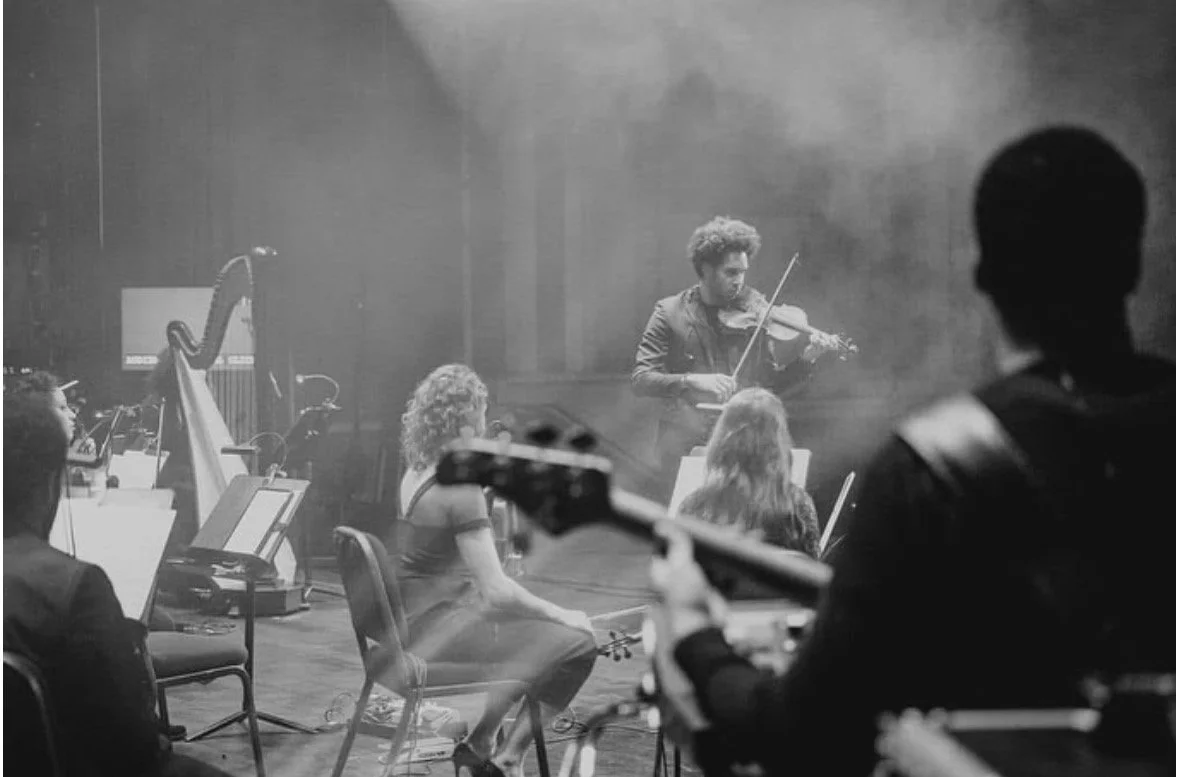
The working plan calls for four faculty-coached student ensembles. Each group is intended to bring violinists, violists, and/or cellists together with a student pianist, double bassist, and drummer.
To make this possible, the Institute is seeking four piano students, four double bass students, and four drum students alongside its central cohort of string players.
Ensemble I
String players
1 pianist
1 bassist
1 drummer
Ensemble II
String players
1 pianist
1 bassist
1 drummer
Ensemble III
String players
1 pianist
1 bassist
1 drummer
Ensemble IV
String players
1 pianist
1 bassist
1 drummer
The four-group model is the 2027 recruitment plan. Final ensemble size, instrumentation, coaching assignments, and any student performance selections will depend on admissions and the final faculty schedule.
Inside the week.
From May 31 through June 4, the proposed teaching model moves between discipline-specific learning and practical ensemble work. This is the intended rhythm, not a published hour-by-hour schedule.
Rotating faculty classes
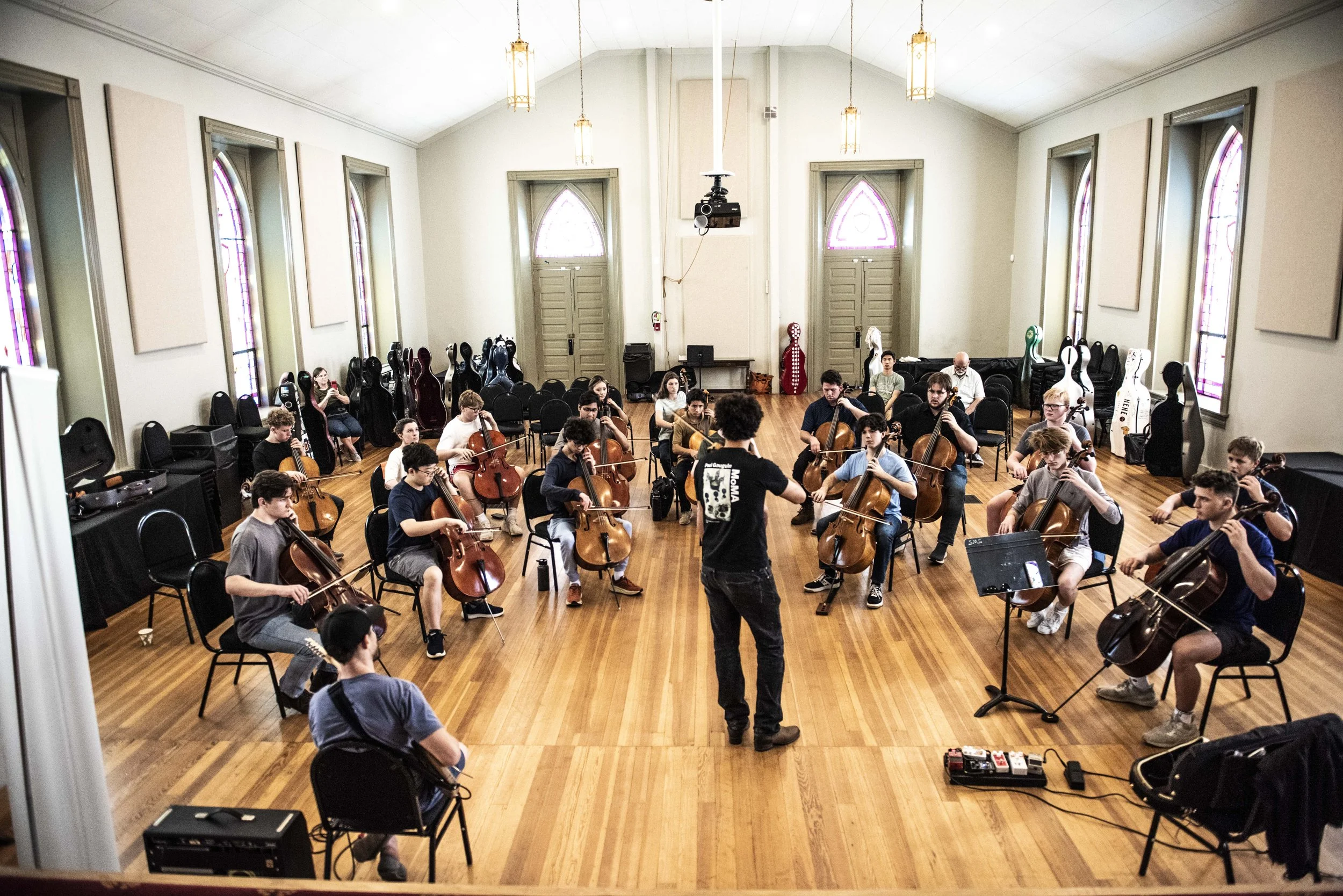
Small groups study jazz string playing, harmony, bass-line construction, rhythm, and improvisation with the faculty.
Coached ensembles
Four student groups explore jazz standards and arrangements, learning the dialogue between string instruments and a rhythm section.
Listening and musical ideas
Interdisciplinary subjects may include composition, jazz history, record analysis, and professional musicianship.
Concerts and informal playing
Professional performances and proposed faculty-led jam sessions provide opportunities to listen, take musical risks, and meet other musicians.
Every enrolled student will receive one individual 30-minute lesson. Other class lengths, teaching assignments, and evening participation will be confirmed before admissions commitments are made.
Four musical perspectives.
Each artist brings a different part of jazz musicianship into the room. Faculty members also anchor the ensemble and public performance activity of the Institute.
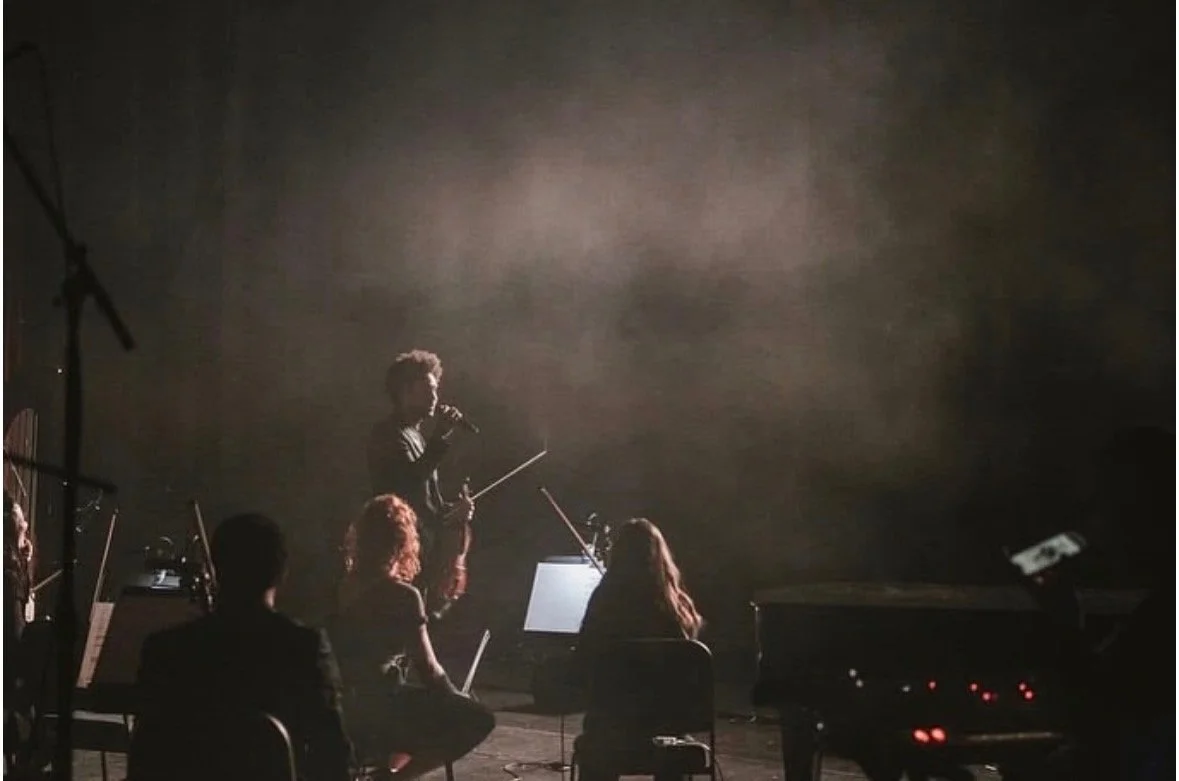
Scott Tixier
Individualized jazz strings instruction, repertoire, harmonic and rhythmic fluency, transcription, bow technique, improvisation, and artistic development.
Luther Allison
Jazz harmony, voicings, composition, and analysis.
Luques Curtis
Bass lines, harmonic movement, listening, and ensemble interaction.
Ryan Lee
Rhythm, time, improvisation, and musical identity.
These are the artists proposed for 2027 by Scott Tixier. Final engagements and individual faculty availability are subject to confirmation.
Jazz in
Fredericksburg.
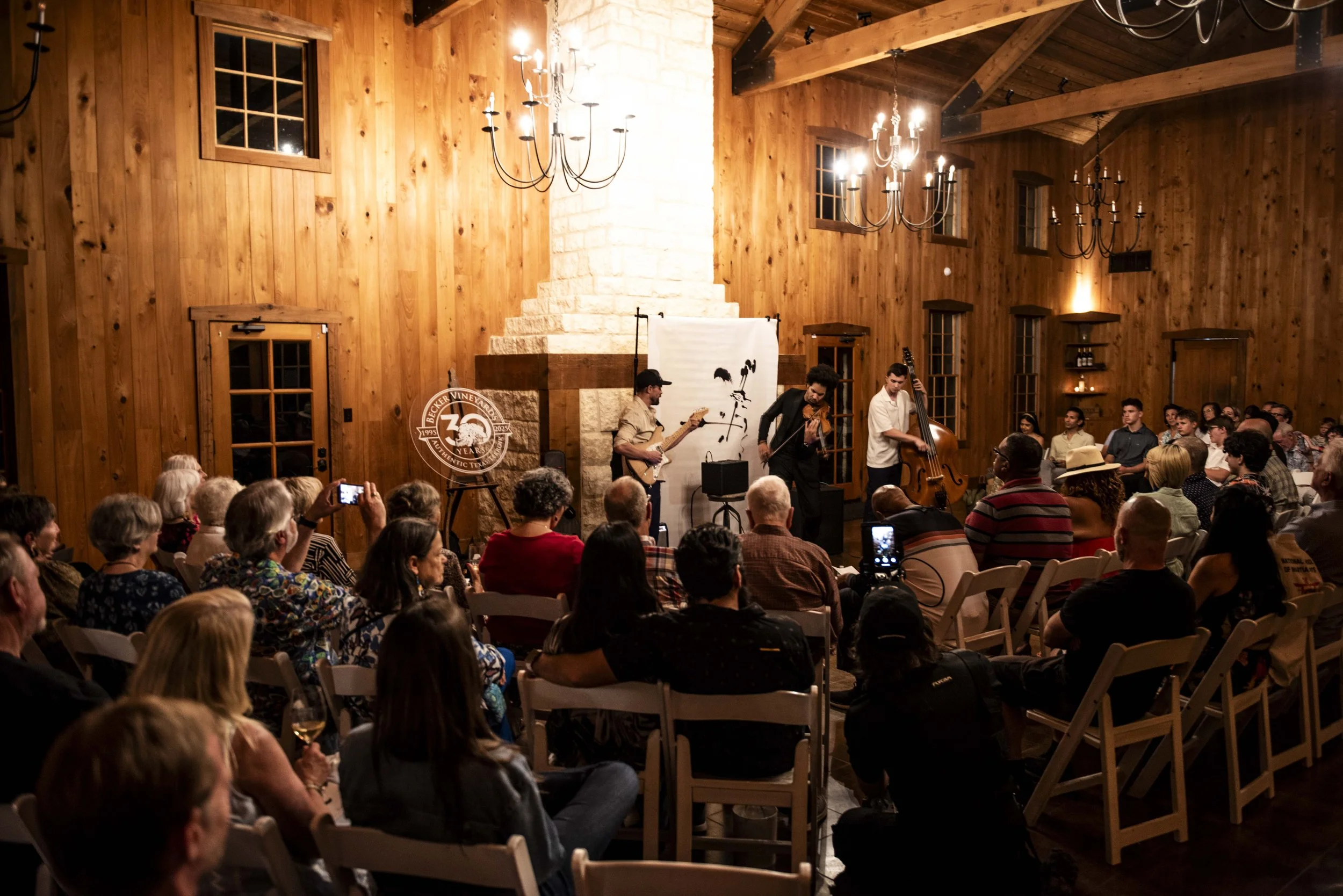
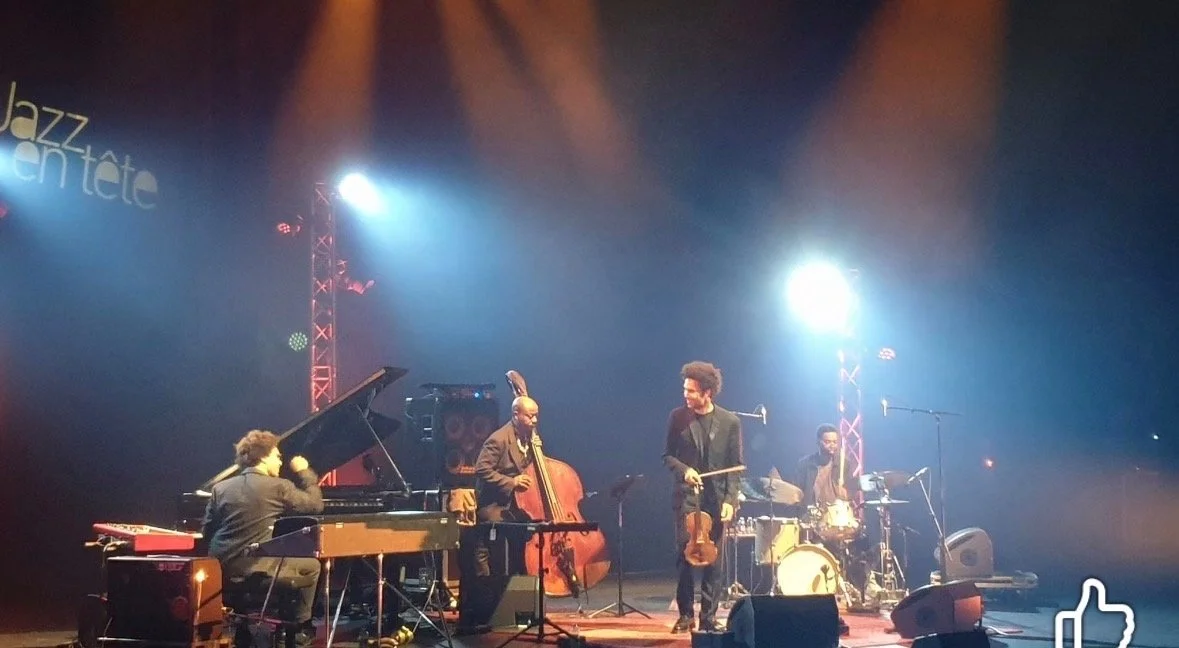
The Institute is also a setting for live jazz that belongs to the public concert life of the Fredericksburg Music Festival & School. The opening and final concerts have distinct artistic purposes beyond the classroom.
2027
Opening Faculty Concert
The planned opening performance introduces the artists and the music at the heart of the Institute. Concert venue, time, repertoire, and ticket information will follow.
2027
Closing Concert
A public concert concludes the Institute. Selected student ensembles may participate alongside professional artists; arrangements will be made after groups and repertoire are finalized.
Come ready
to listen
and play.
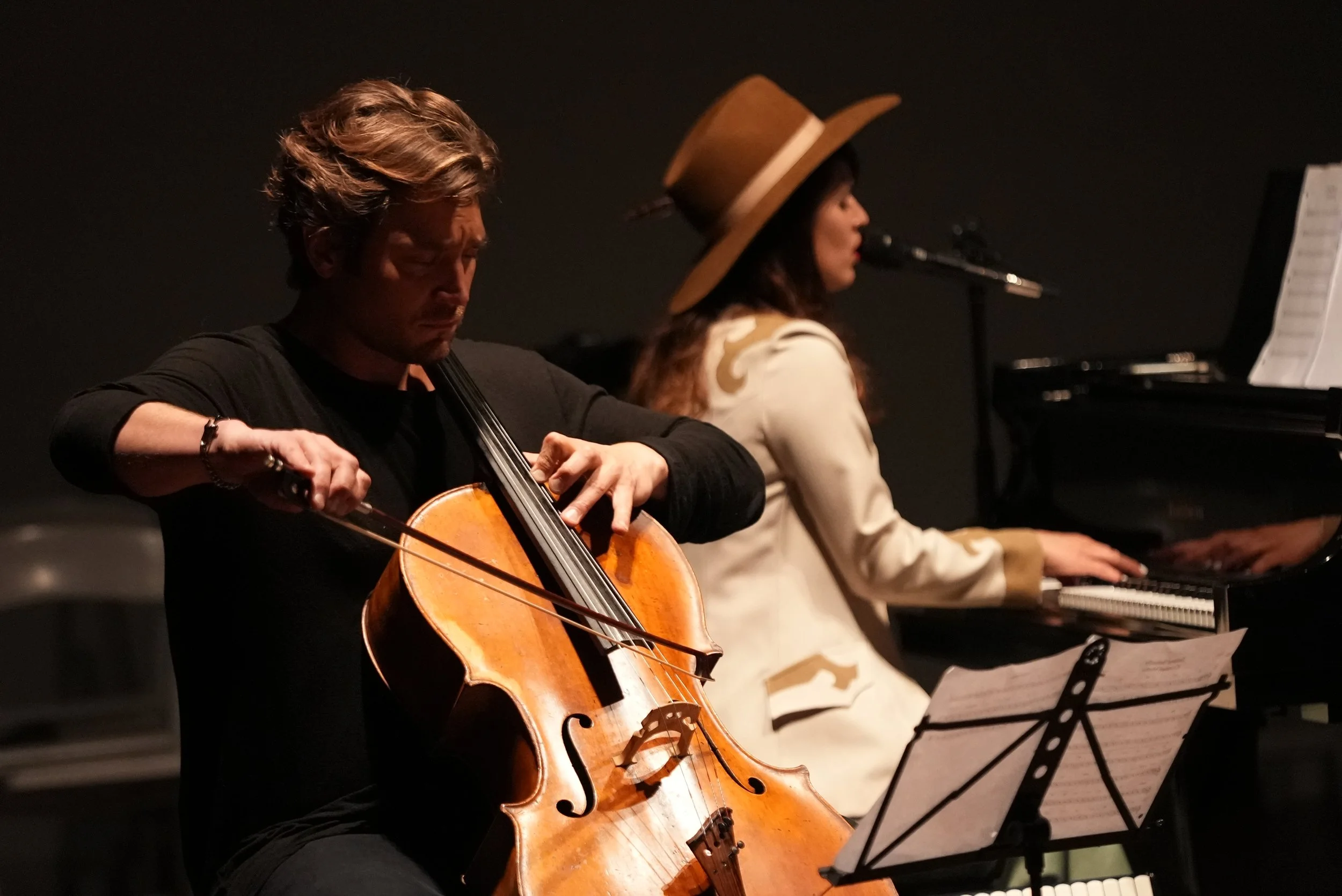
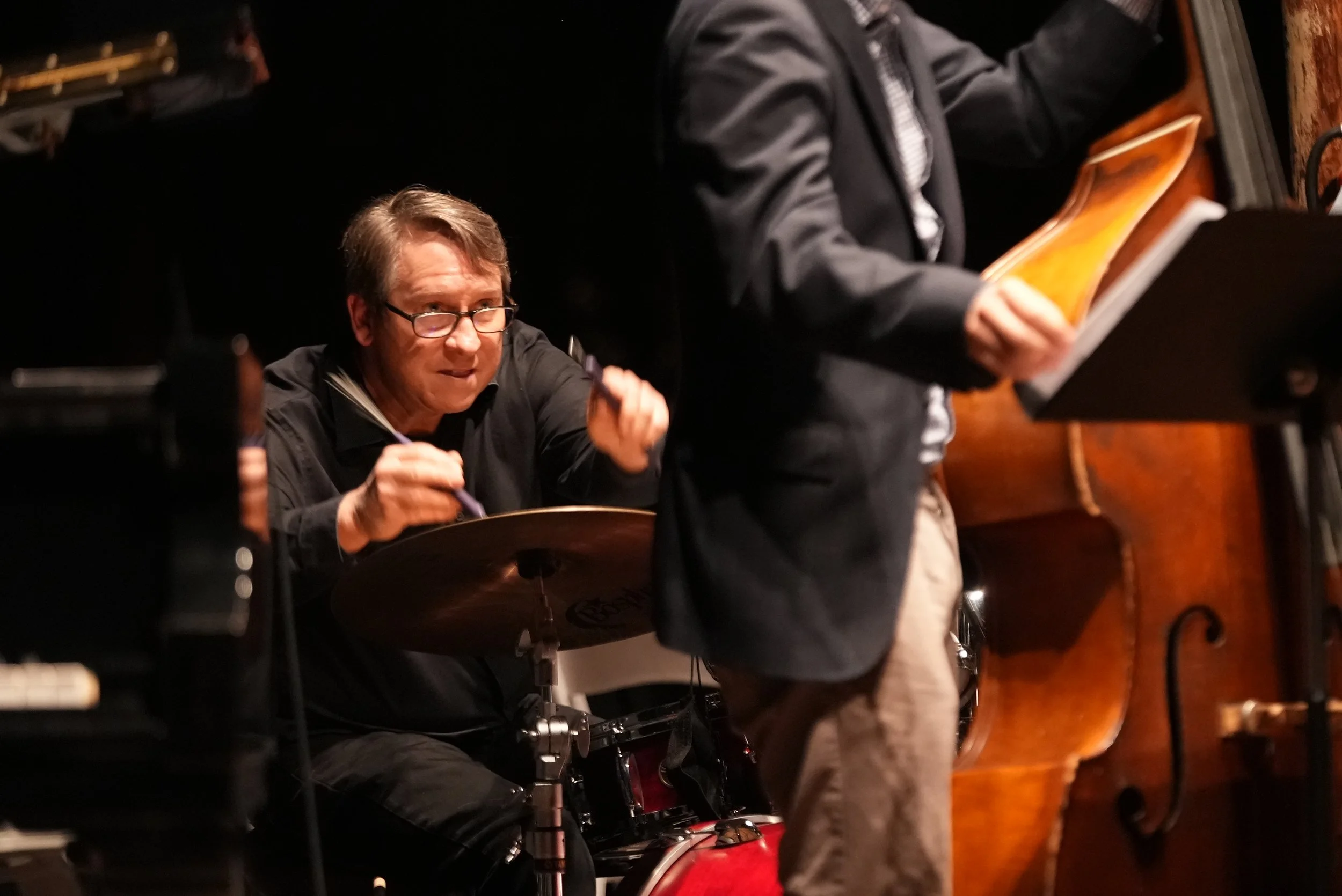
The Institute is being developed for serious high-school, college, and young-adult musicians. Its central aim is to offer string players a close encounter with jazz while inviting rhythm-section musicians into the same educational community.
Every enrolled student will receive one individual 30-minute lesson. The Institute also plans faculty-led classes and assigned small ensembles. Teaching assignments, admissions requirements, tuition, financial aid and accommodation arrangements will be communicated separately.
Violin · Viola · Cello
String players seeking a serious introduction to—or deeper exploration of—jazz phrasing, improvisation, harmony, rhythm, and ensemble playing.
Piano · Bass · Drums
The 2027 plan seeks four students in each discipline to form the rhythm sections of four coached ensembles. These students will study jazz in their own instrumental areas and alongside string players.
Application procedures and admissions commitments will be published after the educational and logistical arrangements are confirmed.
Applications opening soon.
Requirements, application forms, and deadlines are being prepared. The central application page will carry the confirmed information when available.
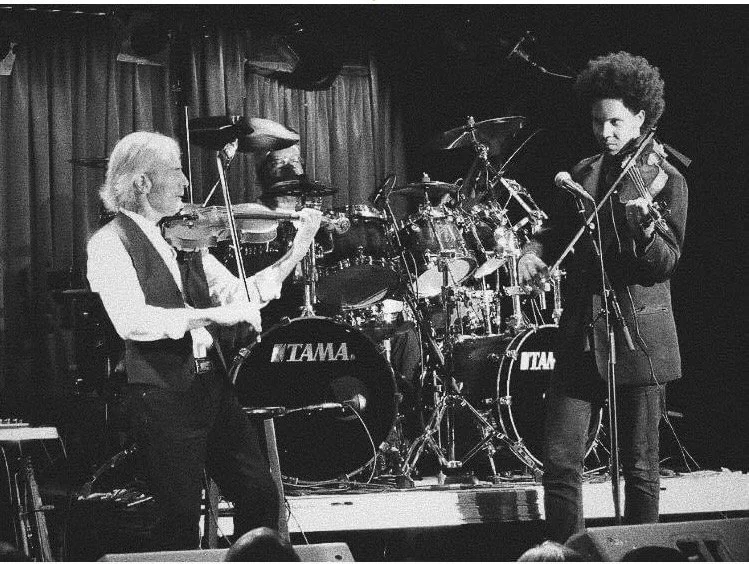
Jean-Luc Ponty & Scott Tixier
The Institute is named with the permission of Jean-Luc Ponty, with whom Scott Tixier studied. Their connection offers a personal point of departure for the Institute's exploration of jazz string playing and improvisation.
Different traditions.
One conversation.
The Institute is named with the permission of Jean-Luc Ponty, with whom Scott Tixier studied. Its home within Fredericksburg brings jazz musicians, string players, students, and audiences into shared musical life without asking one tradition to become another.